
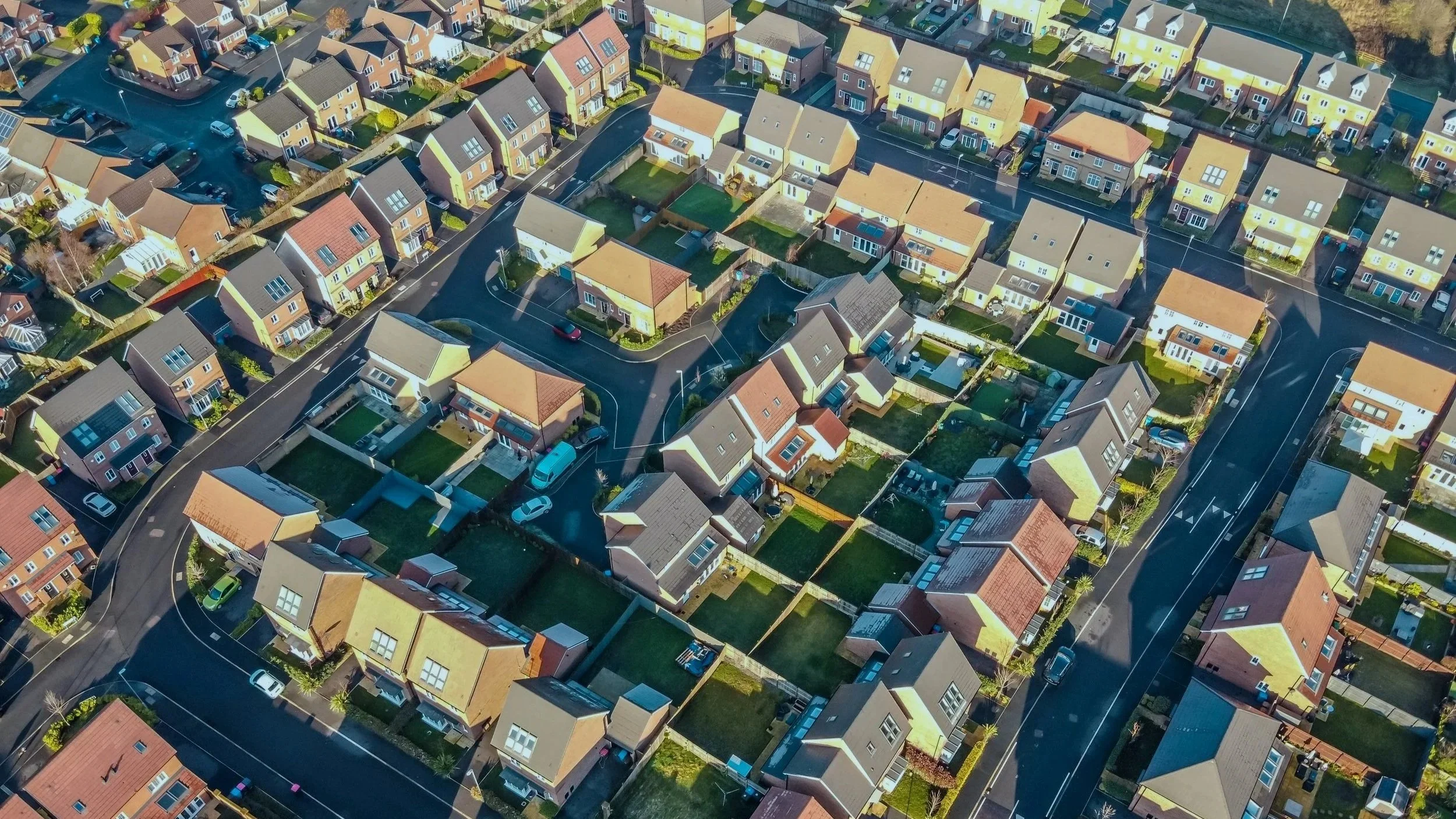
Daylight & Sunlight Impact Assessments
Get in touch today to discuss your project or get a quote
Daylight & Sunlight Assessments for Planning Applications
JC Sustainability provides specialist Daylight and Sunlight Impact Assessments for planning applications across the UK.
A proposed development can affect the amount of daylight and sunlight reaching neighbouring windows, gardens, balconies, and other external amenity spaces. Understanding and assessing these potential impacts is a common part of the planning process, particularly for larger developments and schemes in dense urban areas.
As daylight and sunlight consultants JC Sustainability uses industry-standard assessment methods to evaluate the potential effects of a proposed development and provide clear, planning-focused reports to support your application.
Need a Daylight and Sunlight Impact Assessment for your planning application? Contact JC Sustainability today.
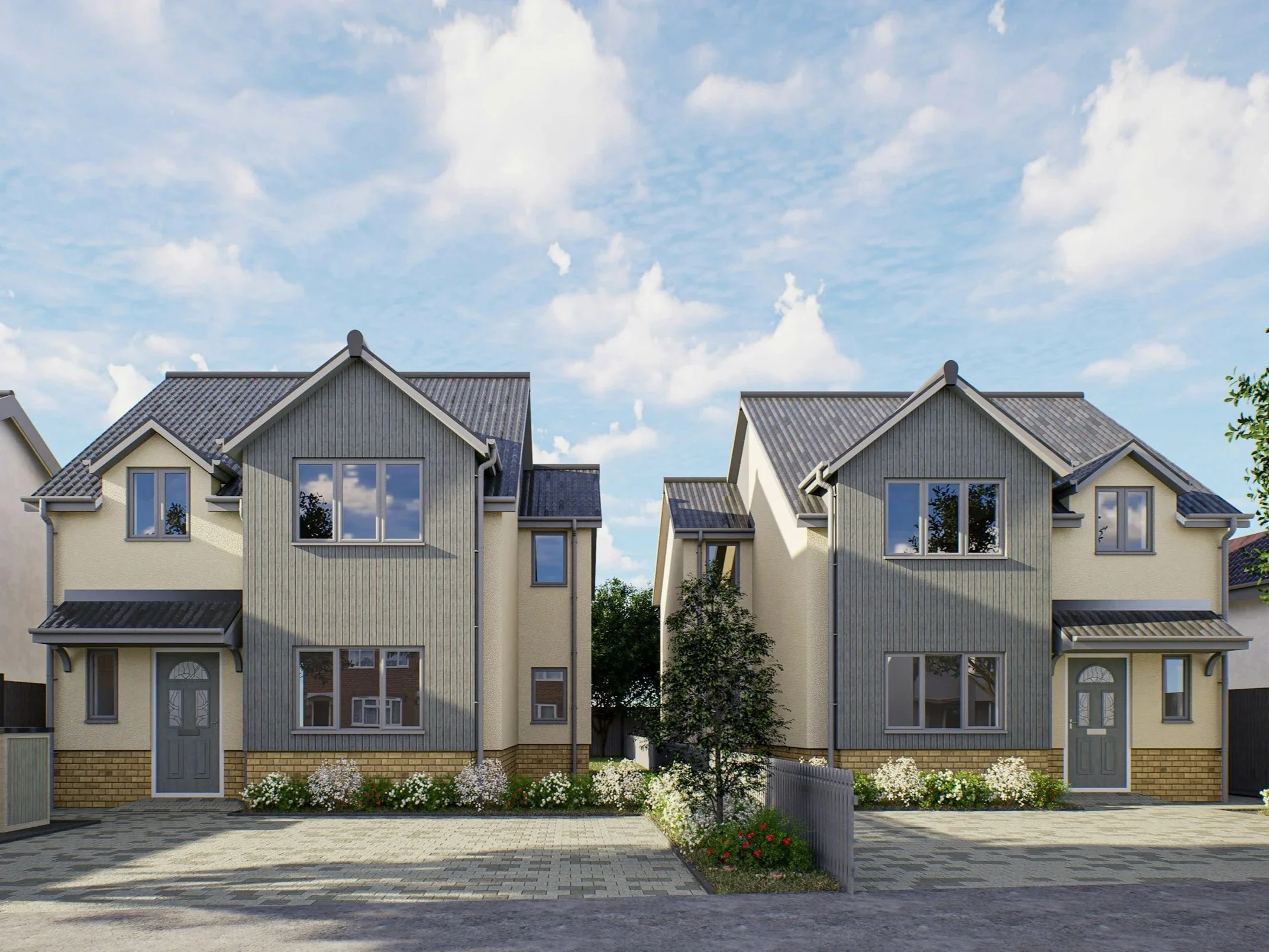
What is a Daylight & Sunlight Impact Assessment?
A Daylight and Sunlight Impact Assessment assesses whether a proposed development could affect the levels of natural light received by surrounding properties and external amenity spaces.
An impact assessment is typically carried out using 3D daylight modelling software, which is used to model the existing site and the site with the proposed development. A comparison is then made against a number of metrics that assess daylight and sunlight levels.
Daylight and sunlight assessments for planning are commonly undertaken with reference to the BRE Report "Site Layout Planning for Daylight and Sunlight: A Guide to Good Practice".
This service relates specifically to the impact of a proposed development on surrounding properties and external spaces. If you looking to assess the quality of light within your own development, we also offer internal daylight assessments as well.
Our Assessment Process

Initial Project Review
We’ll review the architectural drawings and any site photos to fully understand the project, and if we identify any design risks we’ll talk this through with you before we start our assessment.

3D Daylight Modelling
A detailed digital model of the existing site, proposed building and surrounding properties is created using specialist 3D daylight simulation software.

Analysis & Recommendations
A daylight & sunlight assessment is carried out using specialist simulation software. Where needed we will discuss with you on how to reduce impact on adjacent properties.

Comprehensive Reporting
JC Sustainability will provide a well presented report ready for planning submission.
Our Daylight & Sunlight Assessment Services
Depending on the project, an assessment may review:
Loss of daylight to neighbouring windows
Change in hours of Annual and Winter Sunlight to neighbouring windows
Loss of daylight distribution within a neighbouring property’s rooms
Overshadowing and reduction of sunlight to gardens and other amenity spaces
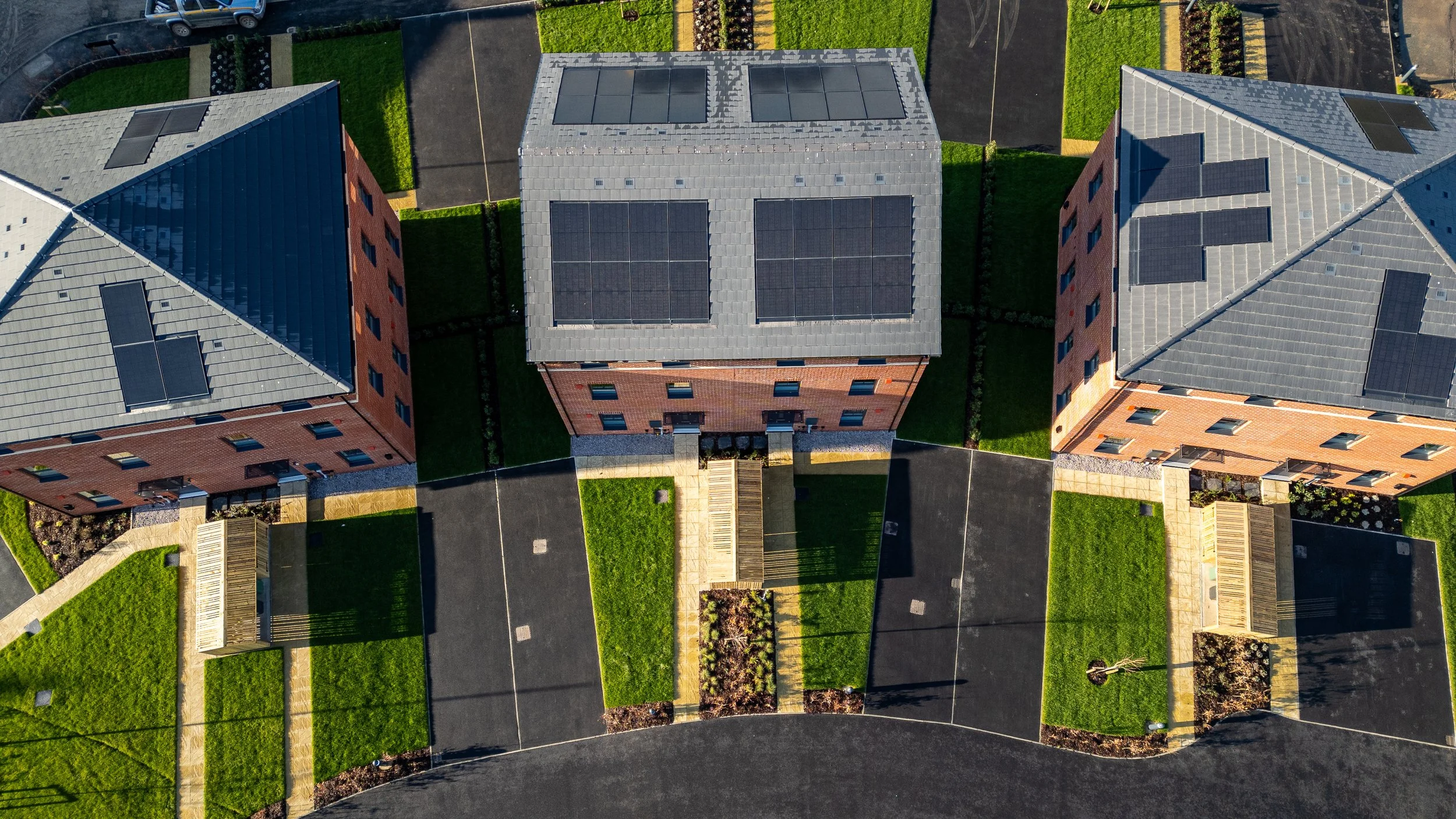
Loss of sunlight to rooftop photovoltaic (PV) panels
Existing, proposed and cumulative scenarios
We always tailor the scope of assessments to the development, its surroundings and the requirements of the relevant Local Planning Authority.
FAQs
-
A Daylight and Sunlight Impact Assessment evaluates the potential effect of a proposed development on daylight and sunlight received by surrounding properties and external spaces such as gardens.
The BRE Guidelines in "Site Layout Planning for Daylight and Sunlight: A Guide to Good Practice" are commonly used as a technical reference for daylight and sunlight assessments in the UK. However, the context of the particular site, development and planning policy will influence how the guidance is adopted.
-
The requirement depends on the location, scale and nature of the proposed development and the policies of the relevant planning authority. Larger developments and any proposals that are close to or taller than neighbouring properties are more likely to require an assessment.
-
Vertical Sky Component (VSC) is a measure used to assess the amount of skylight reaching a point on a window. Given as a percentage of an unobstructed view of the sky, it is one of the metrics commonly used when assessing the potential impact of a development on neighbouring windows.
-
Annual Probable Sunlight Hours (APSH) is a measure used to assess the sunlight received by a window over the course of a year. It can be used to assess the potential impact of a proposed development on sunlight availability to neighbouring properties. Winter Probable Sunlight Hours (WPSH) is also commonly used to assess impact on sunlight access from September to March.
-
Potentially. The need for an assessment depends on the size and design of the extension, its relationship with neighbouring properties and the requirements of the relevant planning authority.
-
The cost depends on the size and complexity of the development, the number of neighbouring properties requiring assessment and the scope of the assessment. Contact JC Sustainability with your project details for a tailored quotation.
Choosing JC Sustainability
At JC Sustainability, you will receive one-on-one communication with a experienced and personable consultant, who will use their technical expertise to ensure your project runs as smoothly as possible.
Our clients choose us because we offer:
Responsive & reliable support from an experienced consultant
Fast turnaround times
High quality reports that are clear and jargon-free
Nationwide UK coverage
Competitive pricing
We aim to provide clear, honest and helpful advice on our projects. Before starting we will review the project information and provide high level advice to highlight any design risks, making your project runner smoother and avoiding any unwelcome surprises.
Let us know about your project via the contact information and we will promptly get in touch to give you some free initial advice and a fee proposal for the assessment you need.